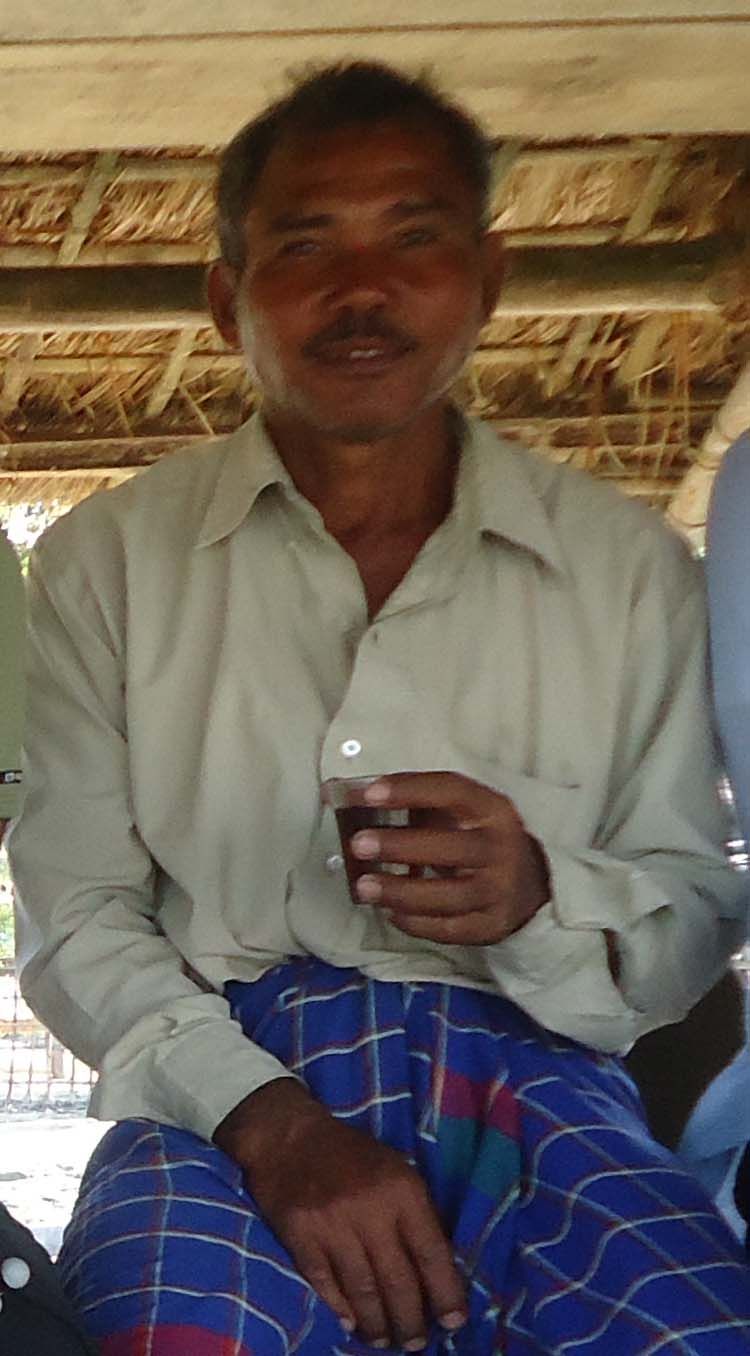
In 1979, on a vast sandbar in the Brahmaputra River in Assam, India, a sixteen-year-old boy named Jadav Payeng came across a sight that haunted him: dozens of snakes, washed onto the barren shore by floods, dead in the merciless heat because there was not a single tree to shade them. The elders of his village told him that if he wanted animals to survive there, the land would need trees — bamboo, they suggested. The boy took it to heart in a way no one expected. He stayed.
One seedling at a time
Payeng began planting on the sandbar — bamboo first, then tree saplings he gathered and carried to the shore. It was brutal, thankless work: hauling water, digging in sand, protecting seedlings from grazing animals, in flood season and in drought. For a time he worked with a government social forestry project; when the project ended after a few years and everyone else went home, Payeng stayed behind, alone, and simply kept planting.
He built himself a small hut on the sandbar and lived there, rising before dawn, planting, watering, and collecting seeds from the trees that had taken root — red ants introduced to enrich the soil, earthworms, patience. Year after year, the green spread. Slowly, almost secretly, a forest rose where there had been nothing but sand and sun.
Bigger than Central Park
After some four decades, Payeng's forest — known today as the Molai forest, after his nickname — covers roughly 550 hectares, about 1,360 acres. That is larger than New York's Central Park. And it is alive in a way no one in 1979 could have imagined: Bengal tigers hunt there, deer and wild boar roam, a herd of more than a hundred elephants visits for months each year, rhinos have wandered through, and the canopy is loud with birds. An entire ecosystem, planted by one man, one tree at a time.
People ask Payeng how he did it, and his answer is disarmingly simple: nature is God, he says — and he just kept planting. Every day. For forty years.
The Forest Man of India
The world discovered him late. In 2007, a forest department team searching for elephants stumbled onto this enormous, undocumented forest and the quiet man who had made it. Journalists and filmmakers followed; in 2015, India awarded him the Padma Shri, one of the nation's highest civilian honors. He used his fame the only way he knows how — to plead for trees, and to keep planting, now with help, even more of them.
A lifetime's daily work
Payeng's method was never glamorous — it was repetition, sustained for a lifetime. He learned which species the sandbar would accept: bamboo first to bind the soil, then hardy trees — valcol, arjun, koroi, himolu and many others — planted season after season. He carried seedlings and water by boat and on foot. He introduced red ants to change the soil's character, and welcomed earthworms as his unpaid workforce. To live, he kept cattle and sold their milk in the village across the river; his wife and children shared the work and the sacrifice. He also became the forest's guard, confronting poachers and fighting proposals to cut the trees he had raised. Asked about his plans, he has said he will plant on another sandbar nearby — hundreds more hectares — and keep going until his last breath. Governments plant forests with budgets and machines. Payeng planted his with mornings.
Jadav Payeng's forest is the answer to a question the modern world keeps asking: what can one person possibly do? One person can begin, at sixteen, with a handful of seedlings on a dead sandbar — and refuse to stop. Given forty years of mornings, one person's two hands can become a forest that shelters tigers.